

สถานที่กำเนิด:
จีน
ชื่อแบรนด์:
RPS-SONIC
ได้รับการรับรอง:
CE, ISO
หมายเลขรุ่น:
RPS-SONO20-2 เป็น 1
ติดต่อเรา
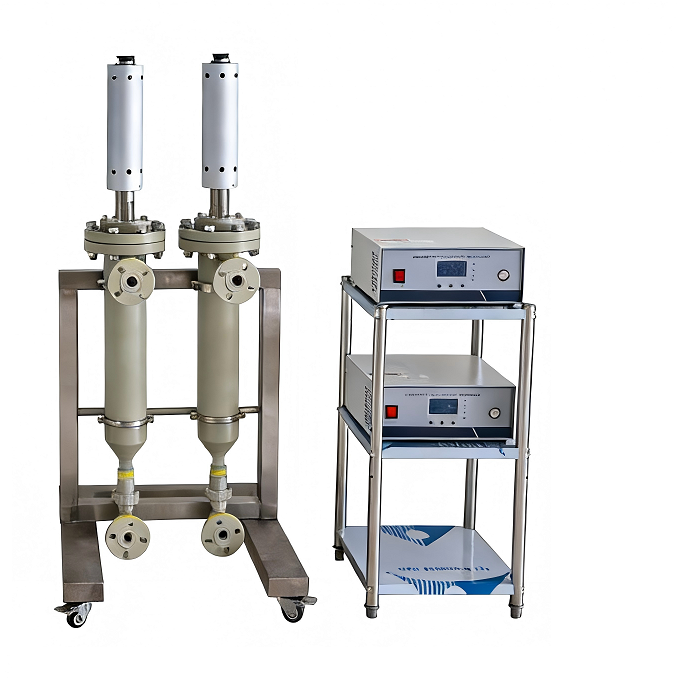
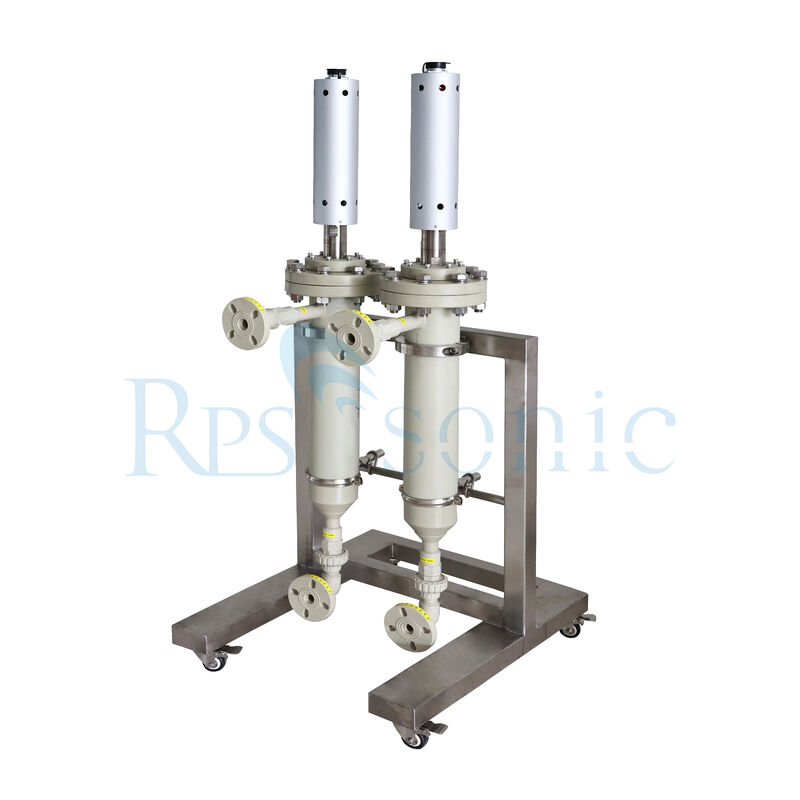
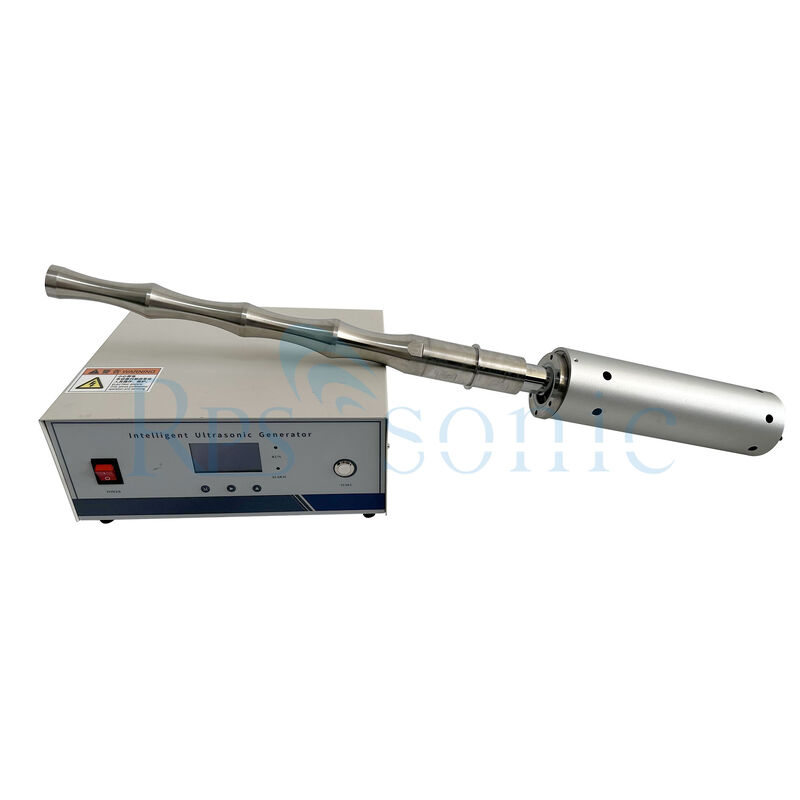
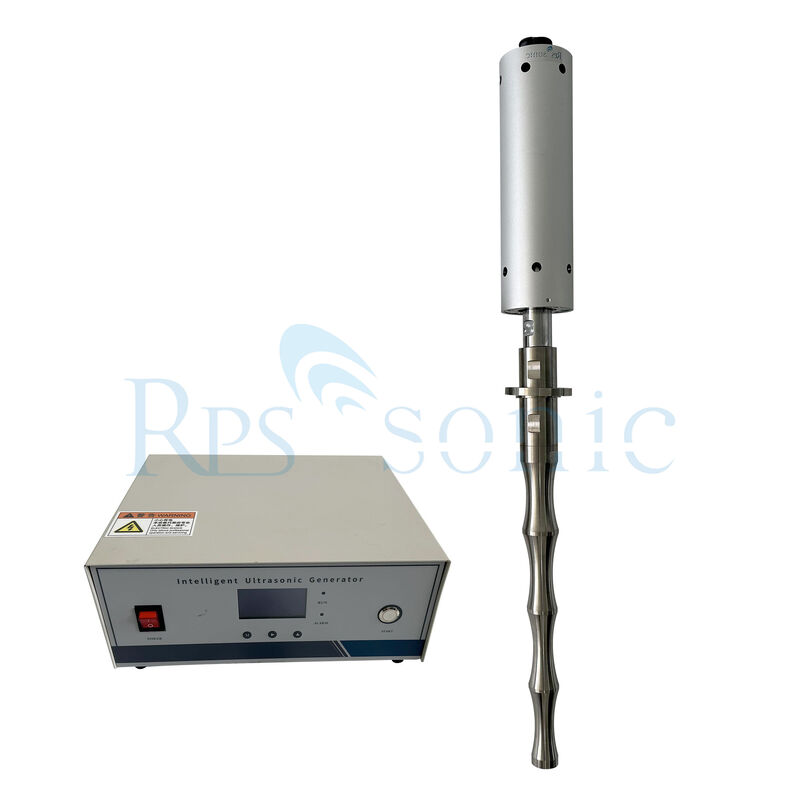

เครื่องกระจายผงคาร์บอนแบล็คด้วยอัลตราโซนิกกำลังสูง
แก่นแท้ของการกระจายผงคาร์บอนแบล็คด้วยอัลตราโซนิกอยู่ที่การใช้ผลกระทบจากการเกิดโพรงอากาศ (cavitation) ที่เกิดจากคลื่นอัลตราโซนิกในตัวกลางที่เป็นของเหลว ร่วมกับการกระทำเฉือนจากการสั่นสะเทือนความถี่สูง เพื่อให้ได้การแตกตัวและการกระจายตัวของก้อนผงคาร์บอนแบล็คอย่างสม่ำเสมอ พร้อมทั้งเพิ่มความเสถียรของระบบการกระจายตัว กลไกหลักสามารถแบ่งออกเป็นสามขั้นตอน: ขั้นแรก การเกิดโพรงอากาศ: เมื่อคลื่นอัลตราโซนิก (ความถี่ทั่วไป 20kHz-100kHz) ผ่านระบบการกระจายผงคาร์บอนแบล็ค ตัวกลางที่เป็นของเหลวจะเกิดบริเวณที่มีการอัดตัวและขยายตัวสลับกัน ในช่วงการขยายตัว ฟองอากาศโพรงอากาศขนาดเล็กจะก่อตัวขึ้นในของเหลว ในช่วงการอัดตัว ฟองอากาศโพรงอากาศเหล่านี้จะยุบตัวลงอย่างรุนแรงภายในเวลาอันสั้นมาก (ไมโครวินาที) ปล่อยอุณหภูมิเฉพาะที่สูงมาก (สูงถึง 5000K หรือสูงกว่า) ความดันสูง (เกิน 1000 atm) และลำแสงขนาดเล็กที่มีความเร็วเกิน 100 m/s การกระทำทางกายภาพที่รุนแรงนี้ เปรียบเสมือน "การระเบิด" ระดับจุลภาค จะส่งผลกระทบต่อจุดอ่อนของก้อนผงคาร์บอนแบล็คอย่างแม่นยำ ทำให้แตกออกเป็นอนุภาคขนาดเล็กใกล้เคียงกับอนุภาคดั้งเดิม เป็นการทำลายโครงสร้างการจับตัวเป็นก้อนตั้งแต่ต้น
ประการที่สอง มีผลของการเฉือนและการผสม: การสั่นสะเทือนเชิงกลความถี่สูงของอัลตราโซนิกก่อให้เกิดความปั่นป่วนอย่างรุนแรงและกระแสของเหลวขนาดเล็กในตัวกลางการกระจายตัว สร้างแรงเฉือนอย่างต่อเนื่องที่ช่วยปรับปรุงก้อนผงคาร์บอนแบล็คที่แตกตัวไม่สมบูรณ์ให้ละเอียดขึ้น ในขณะเดียวกัน ก็ส่งเสริมการกระจายตัวของอนุภาคผงคาร์บอนแบล็คอย่างสม่ำเสมอในตัวกลาง ป้องกันการจับตัวเป็นก้อนซ้ำที่เกิดจากความเข้มข้นเฉพาะที่สูงเกินไป
สุดท้าย มีผลในการทำให้เสถียร: การสั่นสะเทือนด้วยอัลตราโซนิกยังช่วยเร่งการดูดซับโมเลกุลของสารกระจายตัวบนพื้นผิวของอนุภาคผงคาร์บอนแบล็ค ช่วยในการสร้างชั้นการดูดซับที่เสถียร ผ่านการกีดขวางเชิงพื้นที่ (steric hindrance) หรือการผลักกันทางไฟฟ้าสถิต (electrostatic repulsion) ชั้นนี้จะยับยั้งการจับตัวเป็นก้อนซ้ำของอนุภาคผงคาร์บอนแบล็คที่กระจายตัว ทำให้ระยะเวลาความเสถียรของระบบการกระจายตัวยาวนานขึ้น นอกจากนี้ การบำบัดด้วยอัลตราโซนิกยังเพิ่มกลุ่มขั้วบนพื้นผิวของผงคาร์บอนแบล็ค ปรับปรุงความเข้ากันได้ในการกระจายตัวในตัวกลางที่มีขั้ว ตัวอย่างเช่น ข้อมูลจากการทดลองแสดงให้เห็นว่าอัตราส่วนออกซิเจนต่อคาร์บอนบนพื้นผิวของผงคาร์บอนแบล็คสามารถเพิ่มขึ้นจาก 4.2% เป็น 7.5% หลังจากการบำบัดด้วยอัลตราโซนิก ซึ่งช่วยปรับปรุงความเสถียรในการกระจายตัวในระบบน้ำได้อย่างมาก
เครื่องกระจายอัลตราโซนิกเป็นอุปกรณ์ที่ใช้คลื่นอัลตราโซนิกความถี่สูงเพื่อแตกอนุภาคที่จับตัวเป็นก้อน ผสมของเหลวที่ไม่เข้ากัน และสร้างสารแขวนลอยหรืออิมัลชันที่เสถียรและสม่ำเสมอ
คำอธิบายง่ายๆ:
ใช้โพรงอากาศอัลตราโซนิก (ultrasonic cavitation) — ฟองอากาศเล็กๆ ก่อตัวและยุบตัวอย่างรุนแรงในของเหลว — สร้างคลื่นกระแทกและลำแสงขนาดเล็กที่ทรงพลังซึ่ง:
แตกอนุภาคที่จับตัวเป็นก้อน (กราฟีน, ท่อนาโนคาร์บอน, เม็ดสี, วัสดุนาโน)
ผสมน้ำมันและน้ำให้เป็นอิมัลชันที่เสถียร
กระจายผงให้สม่ำเสมอในของเหลวโดยไม่ตกตะกอน
การใช้งานหลัก:
การกระจายกราฟีน, CNTs, อนุภาคนาโน
การผลิตหมึก, สารเคลือบ, สารละลายแบตเตอรี่
การเตรียมอิมัลชันในเครื่องสำอาง, อาหาร
โครงสร้างหลัก:
เครื่องกำเนิดอัลตราโซนิก
ทรานสดิวเซอร์ (แปลงไฟฟ้าเป็นการสั่น)
หัววัด / ฮอร์น (ส่งการสั่นไปยังของเหลว)
พารามิเตอร์
| รุ่น | SONO20-1000 | SONO20-2000 | SONO15-3000 | SONO20-3000 |
| ความถี่ | 20±0.5 KHz | 20±0.5 KHz | 15±0.5 KHz | 20±0.5 KHz |
| กำลัง | 1000 W | 2000 W | 3000 W | 3000 W |
| แรงดันไฟฟ้า | 220/110V | 220/110V | 220/110V | 220/110V |
| อุณหภูมิ | 300 ℃ | 300 ℃ | 300 ℃ | 300 ℃ |
| ความดัน | 35 MPa | 35 MPa | 35 MPa | 35 MPa |
| ความเข้มเสียง | 20 W/cm² | 40 W/cm² | 60 W/cm² | 60 W/cm² |
| ความจุสูงสุด | 10 L/Min | 15 L/Min | 20 L/Min | 20 L/Min |
| วัสดุหัวทิป | โลหะผสมไทเทเนียม | โลหะผสมไทเทเนียม | โลหะผสมไทเทเนียม | โลหะผสมไทเทเนียม |
คำอธิบาย
การควบคุมพารามิเตอร์อุปกรณ์
1. ความถี่อัลตราโซนิก: ความถี่ส่งผลโดยตรงต่อความเข้มของโพรงอากาศและความแม่นยำในการกระจายตัว สำหรับผงที่จับตัวเป็นก้อนได้ง่าย เช่น ผงคาร์บอนแบล็ค อัลตราโซนิกความถี่ต่ำ (20kHz-40kHz) มีอำนาจทะลุทะลวงที่แรงกว่าและสามารถแตกก้อนขนาดใหญ่ได้อย่างมีประสิทธิภาพ เหมาะสำหรับระบบการกระจายผงคาร์บอนแบล็คที่มีขนาดอนุภาคหยาบและความหนืดสูง อัลตราโซนิกความถี่สูง (60kHz-100kHz) ให้ความแม่นยำในการกระจายตัวที่สูงกว่าและเหมาะสำหรับการกระจายผงคาร์บอนแบล็คที่ต้องการการปรับขนาดระดับนาโน เช่น การกระจายผงคาร์บอนแบล็ค Pt/C ในตัวเร่งปฏิกิริยาเซลล์เชื้อเพลิง อัลตราโซนิกความถี่ต่ำประมาณ 25kHz เป็นที่นิยมใช้มากที่สุด โดยมีความสมดุลระหว่างความเข้มของโพรงอากาศและประสิทธิภาพการดูดซับสารกระจายตัว หลีกเลี่ยงการดูดซับสารกระจายตัวไม่เพียงพอเนื่องจากฟองอากาศโพรงอากาศที่เล็กเกินไปที่ความถี่สูง
2. กำลังอัลตราโซนิกและความหนาแน่นกำลัง: กำลังเป็นพารามิเตอร์หลักที่ส่งผลต่อประสิทธิภาพการกระจายตัวและจำเป็นต้องปรับเปลี่ยนได้อย่างยืดหยุ่นตามขนาดอนุภาคของผงคาร์บอนแบล็คและความหนืดของวัสดุ กำลังต่ำ (50%-70% ของกำลังที่กำหนด) เหมาะสำหรับระบบผงคาร์บอนแบล็คที่มีขนาดอนุภาคเล็ก (10-50nm) และความหนืดต่ำ เพื่อหลีกเลี่ยงการแตกหักของอนุภาคและการเสื่อมสภาพที่เกิดจากกำลังที่มากเกินไป กำลังสูง (70%-90% ของกำลังที่กำหนด) เหมาะสำหรับวัสดุผงคาร์บอนแบล็คที่มีขนาดอนุภาคใหญ่ขึ้น (50-200nm) และมีการจับตัวเป็นก้อนอย่างรุนแรง เพื่อแตกก้อนได้อย่างมีประสิทธิภาพ สิ่งสำคัญที่ควรทราบคือความหนาแน่นกำลังมีความสำคัญมากกว่ากำลังรวม สำหรับระบบผงคาร์บอนแบล็คแบบใช้น้ำ แนะนำให้ใช้ความหนาแน่นกำลัง 0.8-1.2 W/cm² ในขณะที่สำหรับระบบหมึกผงคาร์บอนแบล็คแบบใช้ตัวทำละลาย/UV แนะนำให้ใช้ 1.0-1.5 W/cm² ความหนาแน่นกำลังที่มากเกินไป (>2.0 W/cm²) อาจทำลายโครงสร้างของผงคาร์บอนแบล็ค ส่งผลให้เกิดสีฟ้า
3. เวลาอัลตราโซนิก: เวลาอัลตราโซนิกต้องสอดคล้องกับกำลังและลักษณะของวัสดุ การใช้เวลานานขึ้นไม่จำเป็นต้องดีกว่าเสมอไป สำหรับการกระจายผงคาร์บอนแบล็คทั่วไป (เช่น การกระจายตัวเบื้องต้นในหมึก) การบำบัดด้วยอัลตราโซนิกเป็นเวลา 5-10 นาทีก็เพียงพอที่จะแตกก้อน สำหรับระบบผงคาร์บอนแบล็คที่มีความหนืดสูงและกระจายตัวยาก (เช่น คอมโพสิตผงคาร์บอนแบล็ค/ยางธรรมชาติ) สามารถยืดเวลาการบำบัดได้ถึง 30-60 นาที โดยต้องมีการระบายความร้อนเป็นระยะ (ครั้งละ 5 นาที) เพื่อป้องกันความร้อนสูงเกินไปของวัสดุ การทดลองแสดงให้เห็นว่าเวลาประมาณ 1 ชั่วโมงของการบำบัดด้วยอัลตราโซนิกที่อุณหภูมิห้องเป็นช่วงเวลาที่เหมาะสมที่สุดสำหรับระบบผงคาร์บอนแบล็คส่วนใหญ่ การบำบัดด้วยอัลตราโซนิกที่มากเกินไปอาจนำไปสู่การจับตัวเป็นก้อนซ้ำของอนุภาคผงคาร์บอนแบล็ค ความเสียหายต่อโครงสร้างของตัวพา และแม้กระทั่งความล้มเหลวของสารกระจายตัว
4. โหมดอัลตราโซนิก: โหมดพัลส์ (เช่น เปิด 2 วินาที ปิด 1 วินาที) ดีกว่าโหมดต่อเนื่อง ช่วงเวลาที่ไม่ต่อเนื่องช่วยระบายความร้อนได้อย่างมีประสิทธิภาพ ป้องกันการเปลี่ยนแปลงคุณสมบัติของผงคาร์บอนแบล็คที่เกิดจากความร้อนสูงเฉพาะที่ และลดการสึกหรอของหัววัดอัลตราโซนิก
ในช่วงไม่กี่ปีที่ผ่านมา วัสดุนาโน B ได้ถูกนำมาใช้อย่างแพร่หลายในอุตสาหกรรมต่างๆ เพื่อเพิ่มประสิทธิภาพของวัสดุ ตัวอย่างเช่น การเติมสีจากกราฟีนลงในแบตเตอรี่สามารถยืดอายุการใช้งานของแบตเตอรี่ได้อย่างมาก ในขณะที่การเติมซิลิคอนออกไซด์ลงในกระจกสามารถเพิ่มความโปร่งใสและความทนทานของกระจกได้
เนื้อหาหลักของนาโนเทคโนโลยีคือวิธีการแก้ปัญหาการจับตัวเป็นก้อนของอนุภาคนาโน เนื่องจากอนุภาคนาโนเองนั้นง่ายต่อการจับตัวเป็นก้อน จึงเป็นเรื่องยากมากที่จะได้อนุภาคนาโนที่กระจายตัวเป็นอนุภาคเดี่ยว วิธีการกระจายอนุภาคนาโนอย่างสม่ำเสมอลงในเมทริกซ์เป็นเทคโนโลยีหลักของนาโนเทคโนโลยี
เพื่อให้ได้อนุภาคนาโนที่ยอดเยี่ยม จำเป็นต้องมีวิธีการที่มีประสิทธิภาพ โพรงอากาศอัลตราโซนิกจะสร้างบริเวณที่มีความดันสูงและต่ำจำนวนนับไม่ถ้วนในสารละลายทันที บริเวณที่มีความดันสูงและต่ำเหล่านี้จะชนกันอย่างต่อเนื่องเพื่อสร้างแรงเฉือนที่รุนแรง ทำให้เกิดการแยกตัวและลดขนาดของวัสดุ คลื่นอัลตราโซนิกที่ใช้ในการกระจายวัสดุนาโนโดยทั่วไปต้องการแรงดันเสียงและแอมพลิจูดอัลตราโซนิกที่ค่อนข้างใหญ่ ดังนั้น ฮอร์นไทป์ หรือหัววัดไทป์ จึงเป็นที่นิยมใช้มากกว่าในปัจจุบัน
คำแนะนำ
1. หากคุณยังใหม่กับวัสดุนาโนและต้องการทำความเข้าใจผลของการกระจายตัวด้วยอัลตราโซนิก คุณสามารถใช้วัสดุในห้องปฏิบัติการขนาด 1000W / 1500W
2. หากคุณเป็นวิสาหกิจขนาดกลางและขนาดย่อมที่จัดการของเหลวน้อยกว่า 5 ตันต่อวัน คุณสามารถเลือกเพิ่มหัววัดอัลตราโซนิกเข้าไปในถังปฏิกรณ์ คุณสามารถใช้หัววัดขนาด 3000W
3. หากเป็นวิสาหกิจขนาดใหญ่ที่ต้องการแปรรูปของเหลวหลายสิบตันหรือแม้กระทั่งหลายร้อยตันต่อวัน จำเป็นต้องมีระบบหมุนเวียนอัลตราโซนิกภายนอก อุปกรณ์อัลตราโซนิกหลายชุดสามารถประมวลผลการหมุนเวียนได้พร้อมกันเพื่อให้ได้ผลลัพธ์ที่ต้องการ
คุณสมบัติ
1. การออกแบบหัวเครื่องมือที่เน้นเฉพาะจุด ทำให้พลังงานเข้มข้นขึ้น แอมพลิจูดใหญ่ขึ้น และผลการทำให้เป็นเนื้อเดียวกันดีขึ้น
2 กระบวนการบำบัดด้วยอัลตราโซนิกสามารถควบคุมได้ ดังนั้นสถานะสุดท้ายของการกระจายตัวจึงสามารถควบคุมได้ ซึ่งช่วยลดความเสียหายต่อส่วนประกอบของสารละลายได้อย่างมาก
3 สามารถกระจายวัสดุได้ถึงระดับนาโน และสามารถจัดการกับสารละลายที่มีความหนืดสูง อุปกรณ์สามารถติดตั้งระบบควบคุม PLC ทำให้การทำงานง่ายขึ้นและผลลัพธ์แม่นยำยิ่งขึ้น
ส่งคำถามของคุณโดยตรงถึงเรา

