

สถานที่กำเนิด:
จีน
ชื่อแบรนด์:
RPS-SONIC
ได้รับการรับรอง:
CE
หมายเลขรุ่น:
โซโน-20-2000-15L
ติดต่อเรา

 วิดีโอ
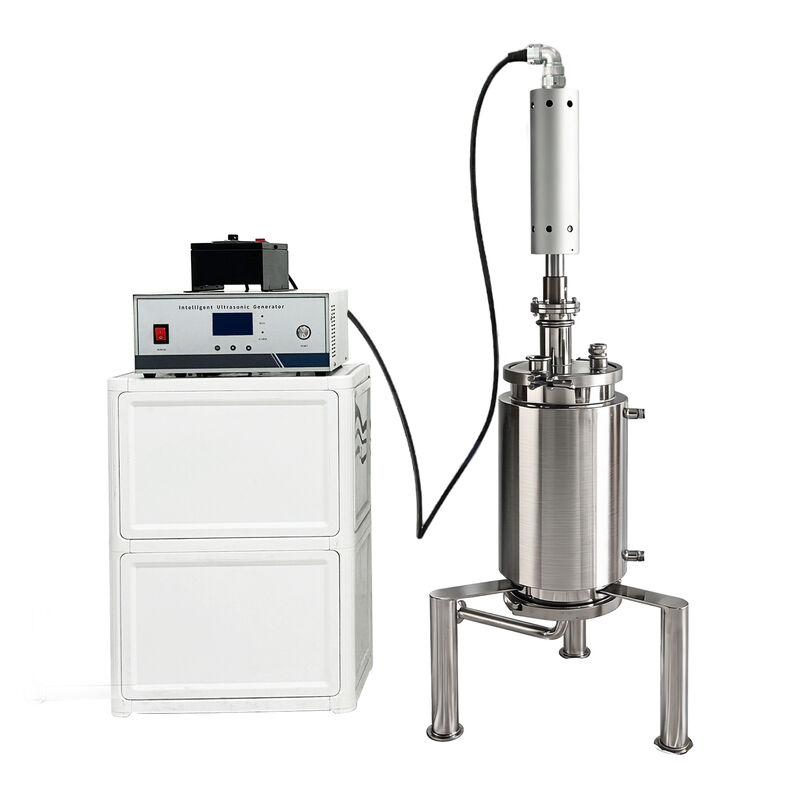
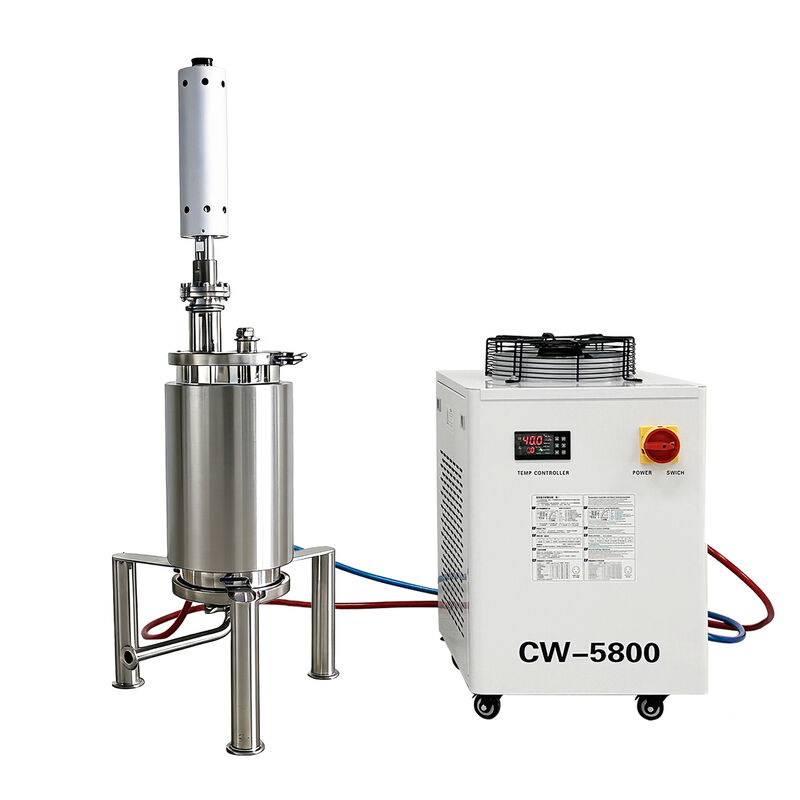
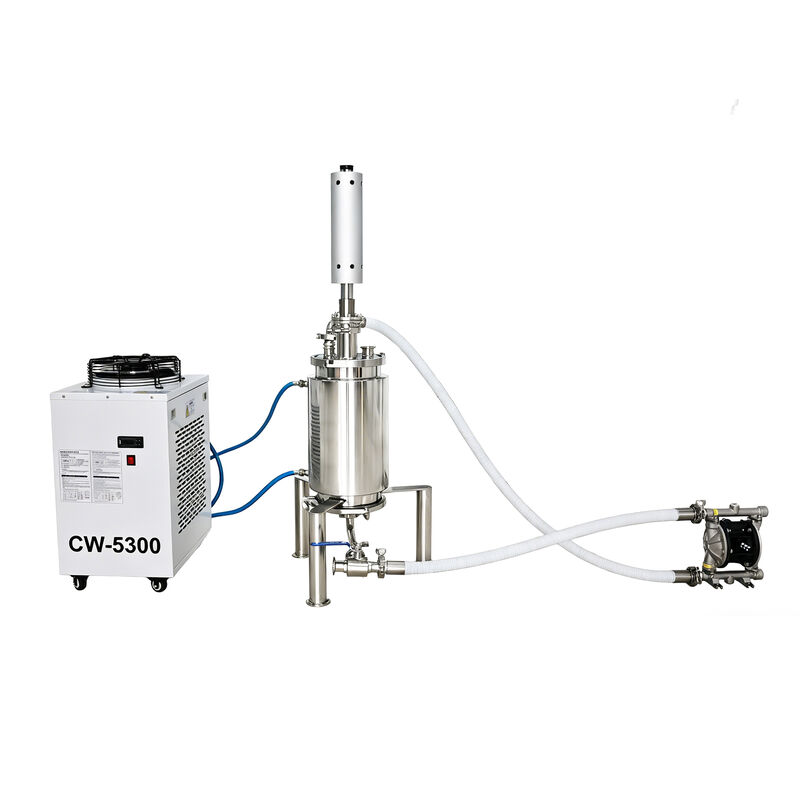
ระบบสกัดเห็ดด้วยอัลตราโซนิกพร้อมระบบทำความเย็นจากโรงงานขายดี
การสกัดด้วยอัลตราโซนิก (UAE) เป็นเทคโนโลยีการสกัดที่เป็นมิตรต่อสิ่งแวดล้อม อุณหภูมิต่ำ และมีประสิทธิภาพสูง ซึ่งใช้อัลตราโซนิกความถี่สูงเพื่อทำลายผนังเซลล์ของเห็ดทางกายภาพ ปลดปล่อยสารออกฤทธิ์ เช่น โพลีแซคคาไรด์ ไตรเทอร์พีน และโพลีฟีนอลได้อย่างมีประสิทธิภาพ เมื่อเทียบกับวิธีการปรุงด้วยความร้อนแบบดั้งเดิม จะช่วยเพิ่มผลผลิตได้อย่างมาก ลดเวลาในการสกัด และปกป้องสารที่ไวต่อความร้อน
การเตรียมวัตถุดิบ: เลือกวัตถุดิบชีวภาพที่อุดมไปด้วยวิตามินเป้าหมาย เช่น ผลไม้สด ผัก ธัญพืช หรือจุลินทรีย์ และทำการเตรียมเบื้องต้น รวมถึงการล้าง การหั่น การทำให้แห้ง การบด และการดำเนินการอื่นๆ เพื่อเพิ่มพื้นที่สัมผัสระหว่างวัตถุดิบกับตัวทำละลาย และปรับปรุงประสิทธิภาพการสกัด
การเลือกตัวทำละลายสกัด: เลือกตัวทำละลายที่เหมาะสมตามคุณสมบัติของวิตามินเป้าหมาย ตัวอย่างเช่น สำหรับวิตามินที่ละลายน้ำได้ มักใช้ตัวทำละลายมีขั้ว เช่น น้ำและสารละลายเอทานอล-น้ำ สำหรับวิตามินที่ละลายในไขมัน มักใช้ตัวทำละลายไม่มีขั้ว เช่น เอ็น-เฮกเซนและปิโตรเลียม
อุตสาหกรรมยาเป็นหนึ่งในสาขาที่สมบูรณ์ที่สุดสำหรับการประยุกต์ใช้การสกัดด้วยอัลตราโซนิก และความสำคัญของมันเชื่อมโยงโดยตรงกับคุณภาพและเศรษฐศาสตร์การผลิต:
การสกัดสารออกฤทธิ์จากสมุนไพรจีน: การต้มยาจีนใช้เวลานาน (หลายชั่วโมง) ส่งผลให้อัตราการละลายของสารออกฤทธิ์ (เช่น อัลคาลอยด์ ฟลาโวนอยด์ และซาโปนิน) ต่ำ และอุณหภูมิสูงอาจทำลายสารออกฤทธิ์ การสกัดด้วยอัลตราโซนิกสามารถลดเวลาในการสกัดลงเหลือ 30 นาทีถึง 2 ชั่วโมง เพิ่มอัตราการละลายของสารออกฤทธิ์ได้ 20%-50% และป้องกันการเสื่อมสภาพของสารออกฤทธิ์ (เช่น ในการสกัดไบคาลินและอาร์เทมิซินิน) จึงมั่นใจในประสิทธิภาพและความเสถียรของผลิตภัณฑ์ยาจีน
การสกัดด้วยอัลตราโซนิกสามารถผลิตวัตถุดิบที่มีฤทธิ์สูงและมีความบริสุทธิ์สูงสำหรับผลิตภัณฑ์เสริมอาหารได้อย่างรวดเร็ว เช่น โปรแอนโทไซยานิดินจากเมล็ดองุ่น โพลีแซคคาไรด์จากโกจิเบอร์รี่ และไฟโคไซยานินจากสาหร่ายสไปรูลิน่า เพื่อตอบสนองความต้องการของอุตสาหกรรมผลิตภัณฑ์เสริมอาหารสำหรับส่วนผสม "จากธรรมชาติและมีประสิทธิภาพ" พร้อมทั้งลดต้นทุนการผลิต
ข้อดีโดยละเอียดของการสกัดเห็ดด้วยอัลตราโซนิก
I. ประสิทธิภาพการทำลายผนังเซลล์สูงมากและผลผลิตสารออกฤทธิ์เพิ่มขึ้นอย่างมาก
การทำลายผนังเซลล์ของเห็ดอย่างทรงพลัง
ผนังเซลล์ของเห็ดส่วนใหญ่ประกอบด้วยไคตินและเซลลูโลส มีโครงสร้างที่หนาแน่นซึ่งยากต่อการทำลายให้สมบูรณ์ด้วยวิธีการต้มแบบดั้งเดิม
อัลตราซาวด์ผ่านผลกระทบของโพรงอากาศ สร้างกระแสน้ำขนาดเล็ก แรงเฉือน และคลื่นกระแทก ทำลายผนังเซลล์โดยตรง
การปลดปล่อยสารออกฤทธิ์ที่สมบูรณ์ยิ่งขึ้น
สารภายในเซลล์ เช่น โพลีแซคคาไรด์ เบต้า-กลูแคน ไตรเทอร์พีน โพลีฟีนอล และสเตอรอล สามารถปลดปล่อยออกมาในปริมาณมากและรวดเร็ว
ข้อมูลจริงมักแสดงให้เห็นถึงการปรับปรุง 20% ถึง 80% เมื่อเทียบกับการสกัดด้วยน้ำร้อนแบบดั้งเดิม
การสกัดโมเลกุลขนาดเล็กและขนาดใหญ่ได้ดีขึ้น
มีประสิทธิภาพโดยเฉพาะอย่างยิ่งสำหรับส่วนประกอบที่ไวต่อความร้อนหรือละลายได้ยาก เช่น ไตรเทอร์พีนของเห็ดหลินจือ โพลีแซคคาไรด์ของเห็ดหิงห้อย และโพลีแซคคาไรด์ของเห็ดหอม
II. ลดเวลาในการสกัดลงอย่างมากและประสิทธิภาพการผลิตสูง
การสกัดด้วยน้ำร้อนแบบดั้งเดิม: 2-4 ชั่วโมง
การสกัดด้วยอัลตราโซนิก: 10-60 นาที
ประสิทธิภาพโดยรวมเพิ่มขึ้น 3-10 เท่า
เหมาะสำหรับการผลิตภาคอุตสาหกรรมแบบต่อเนื่อง ใช้พลังงานต่ำและกำลังการผลิตสูงขึ้น
III. การสกัดที่อุณหภูมิต่ำ ปกป้องสารออกฤทธิ์ที่ไวต่อความร้อน
สารออกฤทธิ์หลายชนิดในเห็ดไวต่ออุณหภูมิสูง:
โพลีแซคคาไรด์สลายตัวได้ง่ายและน้ำหนักโมเลกุลลดลงที่อุณหภูมิสูง
ไตรเทอร์พีนและโพลีฟีนอลเกิดออกซิเดชันและสูญเสียฤทธิ์ได้ง่าย
โปรตีนและเปปไทด์เสียสภาพที่อุณหภูมิสูง
การสกัดด้วยอัลตราซาวด์สามารถเสร็จสิ้นได้ที่ **อุณหภูมิห้องถึง 60°C** หลีกเลี่ยงความเสียหายจากอุณหภูมิสูง ดังนั้น:
สารสกัดมีฤทธิ์สูงขึ้น
สีอ่อนลงและมีสิ่งเจือปนน้อยลง
คุณภาพผลิตภัณฑ์มีความเสถียรมากขึ้น
IV. ใช้พลังงานต่ำ ใช้ตัวทำละลายน้อย ประหยัดพลังงานและเป็นมิตรต่อสิ่งแวดล้อมมากขึ้น
ไม่ต้องใช้ความร้อนเป็นเวลานาน ประหยัดไอน้ำ/ไฟฟ้า
อัตราส่วนวัสดุต่อของเหลวต่ำลง ลดการใช้ตัวทำละลาย (น้ำ/เอทานอล) ลง 20%-50%
ไม่มีการกัดกร่อนด้วยกรดหรือด่างแก่ ไม่มีมลพิษทางเคมี
แรงกดในการบำบัดน้ำเสียต่ำ ตรงตามข้อกำหนดการผลิตสีเขียวสมัยใหม่
V. ความบริสุทธิ์ของสารสกัดสูงขึ้น สิ่งเจือปนน้อยลง
อัลตราซาวด์ทำลายผนังเซลล์ทางกายภาพ โดยไม่ทำลายโครงสร้างของวัตถุดิบ
ไม่สกัดเซลลูโลส เพคติน และเม็ดสีจำนวนมากเหมือนการต้มด้วยความร้อนสูงเป็นเวลานาน
สารสกัดใสขึ้น ทำให้การกรอง การเข้มข้น และการทำให้บริสุทธิ์ง่ายขึ้น
ผลิตภัณฑ์สุดท้ายมีเถ้าและสิ่งเจือปนต่ำลง
VI. การสกัดที่อ่อนโยน โดยไม่ทำลายน้ำหนักโมเลกุลและโครงสร้างของโพลีแซคคาไรด์
น้ำหนักโมเลกุลของโพลีแซคคาไรด์เป็นตัวกำหนดฤทธิ์ทางภูมิคุ้มกันโดยตรง
กระบวนการที่อุณหภูมิสูงแบบดั้งเดิมมักทำลายสายโซ่โพลีแซคคาไรด์ ทำให้เกิดการลดลงของน้ำหนักโมเลกุลและฤทธิ์ ในทางตรงกันข้าม กระบวนการอัลตราโซนิกจะอ่อนโยนและสั้นกว่า รักษาโครงสร้างตามธรรมชาติของโพลีแซคคาไรด์ สารสกัดที่ได้จะแสดงฤทธิ์ทางชีวภาพที่เหนือกว่าอย่างมากเมื่อเทียบกับที่ผลิตโดยใช้วิธีการแบบดั้งเดิม
พารามิเตอร์:
| รายการ | sono-20-1000 | sono-20-2000 | sono-20-3000 | sono-15-3000 |
| ความถี่ | 20khz±0.5 | 20khz±0.5 | 20khz±0.5 | 15khz±0.5 |
| กำลัง | 1000w | 2000w | 3000w | 3000w |
| แรงดันไฟฟ้า | 110 หรือ 220V | |||
| อุณหภูมิสูงสุด | 300°C | |||
| แรงดันสูงสุด | 35Mpa | |||
| ความเข้มของเสียง | 20W/cm² | 40W/cm² | 60W/cm² | 60W/cm² |
| ความจุ | 10 ลิตร/นาที | 15 ลิตร/นาที | 20 ลิตร/นาที | 20 ลิตร/นาที |
| วัสดุหัววัด | ไทเทเนียม | |||
การประยุกต์ใช้
อุตสาหกรรมยา: ในการผลิตวิตามิน สามารถใช้การสกัดด้วยอัลตราโซนิกเพื่อสกัดวิตามินจากวัตถุดิบธรรมชาติเป็นส่วนผสมออกฤทธิ์ เช่น การสกัดวิตามินบีจากยีสต์ และการสกัดวิตามินอีจากน้ำมันและไขมันจากพืช
อุตสาหกรรมผลิตภัณฑ์เพื่อสุขภาพ: ใช้ในการผลิตผลิตภัณฑ์เสริมอาหารวิตามิน สกัดวิตามินจากพืชธรรมชาติหรือเนื้อเยื่อสัตว์ และผลิตยาเม็ด แคปซูล ยาเหลวรับประทาน และผลิตภัณฑ์อื่นๆ เพื่อตอบสนองความต้องการของประชาชนในการเสริมวิตามิน
วัตถุเจือปนอาหาร: วิตามินที่สกัดได้สามารถใช้เป็นวัตถุเจือปนอาหารเพื่อเสริมอาหาร เช่น การเติมวิตามินลงในเครื่องดื่ม ผลิตภัณฑ์นม ผลิตภัณฑ์จากธัญพืช ฯลฯ เพื่อเพิ่มคุณค่าทางโภชนาการของอาหาร
ส่งคำถามของคุณโดยตรงถึงเรา

